When researchers think about waste management, it is often viewed as a regulatory requirement—or something handled only after an experiment is complete. In reality, how a laboratory manages waste has a direct and measurable impact on research costs, operational efficiency, and long-term sustainability.
At the University of Missouri, Environmental Health & Safety works closely with research teams to help laboratories reduce hazardous waste volumes, avoid unnecessary disposal costs, and make smarter purchasing decisions—all while maintaining compliance and safety.
Disposal Costs: Not All Waste Is Equal
One of the biggest misconceptions in research laboratories is that waste disposal costs are flat or insignificant. In reality, hazardous waste disposal can cost several times more than properly managed non-hazardous or segregated waste streams. When materials are mismanaged, disposal expenses rise quickly.
- Treating non-hazardous materials as hazardous “just in case”
- Mixing incompatible or unnecessary materials into the same waste container
- Combining clean recyclables or reusable materials with contaminated waste
- Disposing of unopened or usable chemicals that could have been shared or redistributed
Proper waste characterization and segregation—something EHS routinely assists with—can significantly reduce disposal fees without creating extra work for laboratory staff.
The Chemical Redistribution Program: Turning Surplus into Savings
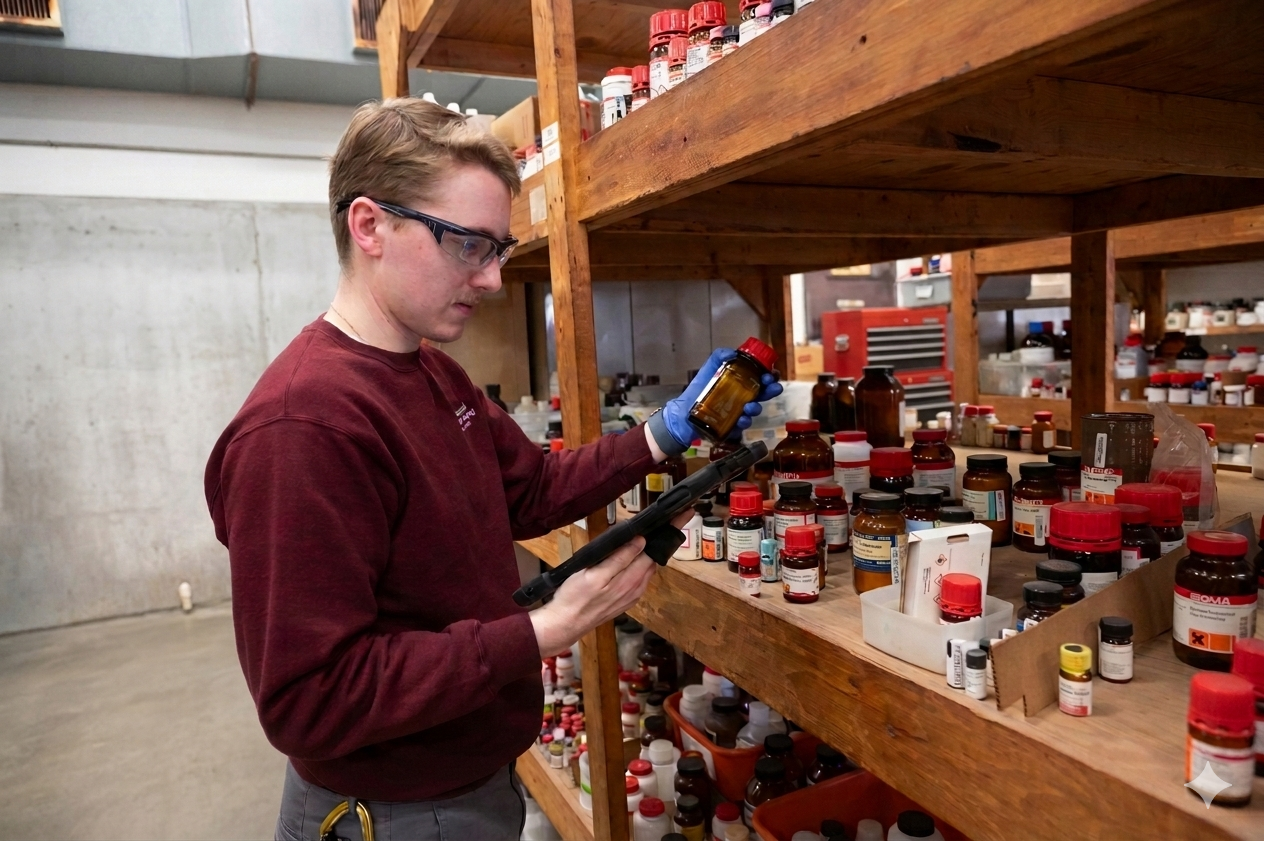
One of the most effective waste-reduction tools available to campus researchers is the University’s Chemical Redistribution Program managed by Environmental Health & Safety.
Through this program, usable surplus chemicals from laboratories are evaluated and made available for reuse by other campus research groups at no cost. Instead of paying to dispose of unopened or high-quality materials, those chemicals can be matched with another laboratory that has an immediate need.
- Reducing hazardous waste disposal costs
- Lowering chemical purchasing expenses for research groups
- Shortening lead times when common materials are already available on campus
- Supporting sustainability goals through reuse
- Freeing storage space in laboratories
In many cases, one lab’s surplus becomes another lab’s solution.
Reducing Hazardous Waste Volume at the Source
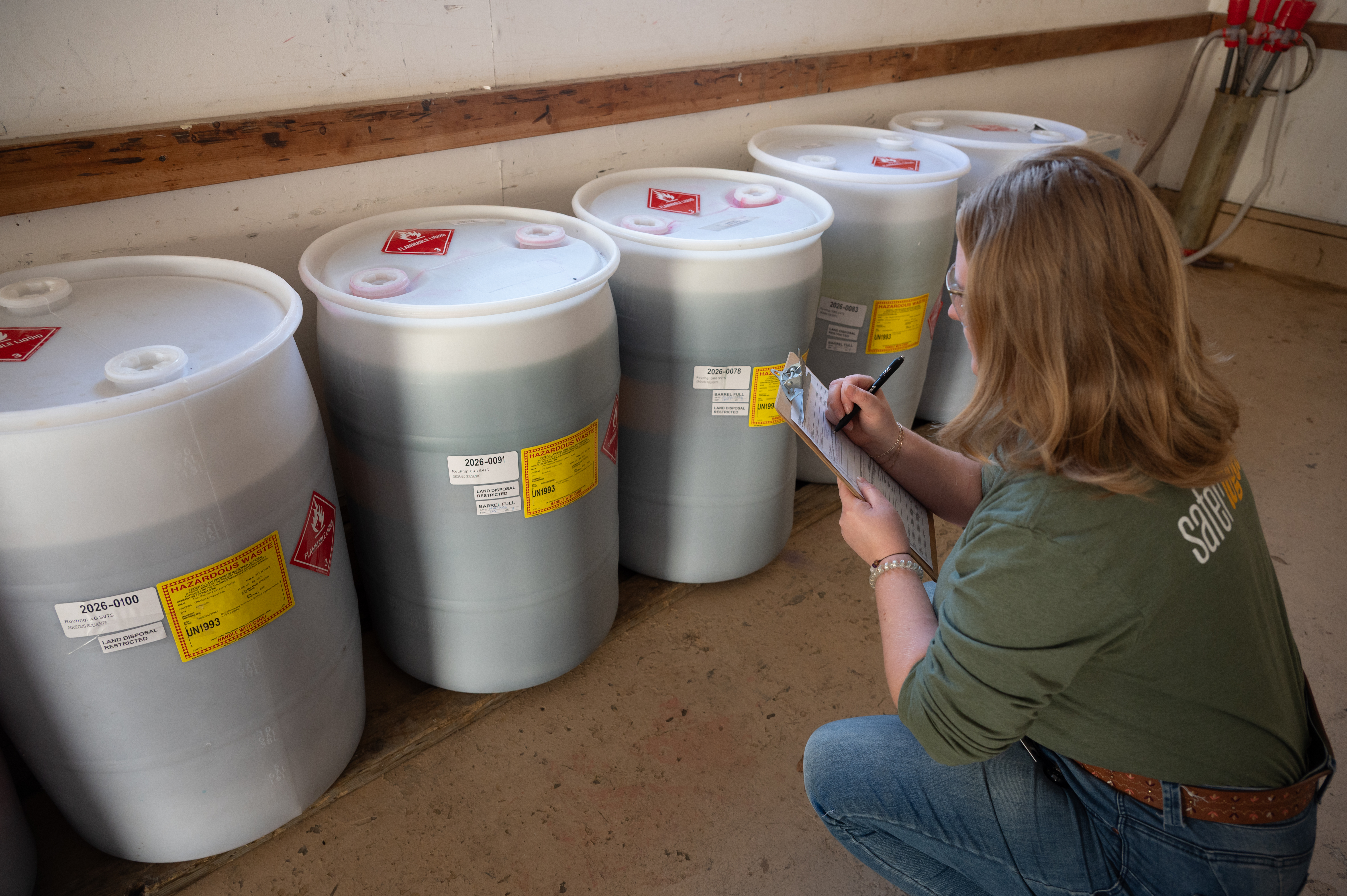
The most effective way to save money on waste disposal is to generate less hazardous waste in the first place. Small changes in daily laboratory practices can add up quickly across a research group or department.
- Using microscale or reduced-volume protocols when feasible
- Avoiding over-preparation of reagents that may expire or go unused
- Keeping waste streams clean by preventing cross-contamination
- Regularly reviewing chemical inventories to identify aging, duplicate, or unneeded materials
- Moving usable materials through the Chemical Redistribution Program before they become waste
Less hazardous waste means lower disposal costs, fewer pickups, reduced storage demands, and less administrative burden—all of which help research dollars go further.
Smart Purchasing: The Hidden Cost Saver
Purchasing decisions often determine future waste costs long before a chemical ever enters the lab. Buying more than needed—or buying without considering shelf life—can mean paying twice: once for the product and again for disposal.
- Purchase quantities that realistically match project timelines
- Check existing inventories and redistribution listings before placing new orders
- Coordinate purchases within research groups to reduce duplication
- Consider safer or lower-cost disposal alternatives when scientifically appropriate
- Select right-sized containers that better match actual usage
These practices reduce waste, improve storage capacity, and make budgets stretch further.
Inventory Accuracy Matters
Maintaining an accurate chemical inventory is another often-overlooked cost control measure. Laboratories that routinely verify and reconcile their inventories are better able to identify aging materials, duplicates, and chemicals no longer needed for active research.
- Avoid unnecessary purchases
- Reduce expired chemical disposal costs
- Improve emergency planning and hazard communication
- Save time when locating needed materials
- Identify items suitable for redistribution
- Maintain stronger regulatory compliance
EHS as a Research Support Partner
EHS’s role goes beyond compliance—we work with researchers to identify practical, research-friendly solutions that protect people, projects, and budgets.
From waste evaluations and laboratory consultations to purchasing guidance, chemical redistribution, and training, EHS is here to help research teams operate efficiently and sustainably.
If your laboratory has questions about waste management practices, disposal costs, or opportunities to reduce waste, Environmental Health & Safety is always available to assist.
Smarter waste management is not just good for safety and the environment—it is good for research.