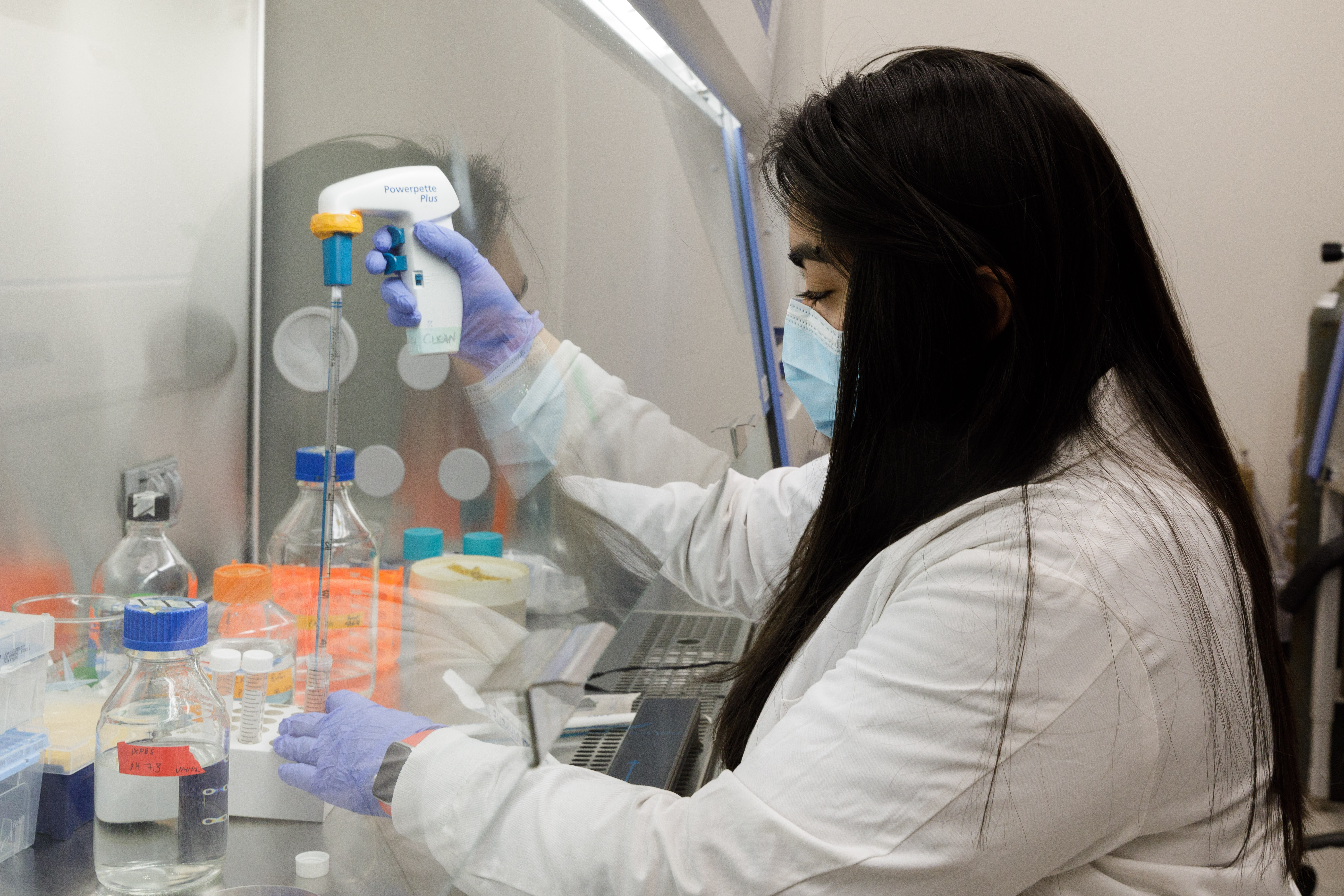
Article by Colette Faiella and David Rehard
At the heart of much of our work with cell cultures and biohazardous materials is a critical piece of engineering control: the Biological Safety Cabinet (BSC). It serves as a primary barrier, protecting both the user and the product. However, this equipment is only as effective as the practices of the person using it.
Using a BSC safely is not just an individual responsibility—it directly impacts the shared laboratory environment and the colleagues who work in these spaces. Every step in the process, from preparation to cleanup, plays a role in maintaining a safe and compliant laboratory.
Preparation: The Foundation of Safe Work
Safe BSC use begins before your hands enter the cabinet. Proper preparation ensures the cabinet is functioning as intended.
- Purge & Verify
Always allow the cabinet to run for its required purge time (typically 5 minutes). This step clears particulates and establishes proper airflow, which is essential for effective containment. - Check Your Defenses
Verify that the sash is set at the correct operating height and that alarms are functioning properly. Confirm the certification sticker is current; BSCs are required to be certified annually.
During Work: Mindful Movements for Maximum Containment
Once work begins, user technique has a direct impact on containment effectiveness and sample integrity.
- Zoning for Safety
Organize the workspace from clean to dirty, keeping sterile items separated from waste and contaminated materials. This layout helps minimize cross-contamination and protects both your work and subsequent users. - The Human Factor
Move arms in and out of the cabinet slowly and deliberately. Avoid quick or sweeping motions that can disrupt the protective air curtain. BSCs are designed for single-user operation. If a procedure requires two users, it must be reviewed and approved through a documented risk assessment with the Laboratory Supervisor. - Ergonomics Matter
Adjust your stool and posture so your face remains above the sash and your arms enter the cabinet comfortably. Proper ergonomics reduce fatigue and help prevent errors.
Completion: Leaving the Cabinet Ready for the Next User
How the cabinet is left after use affects everyone who works in the lab.
- Decontaminate in Place
Do not turn off the cabinet during cleanup. Close and surface-decontaminate all containers, equipment, and the exterior of biohazard bags inside the BSC before removing them. This step prevents contamination of the surrounding laboratory. - Thorough Cleaning
Decontaminate the entire interior of the cabinet, including the work surface, side walls, and the inside of the sash. - Secure the Cabinet
Follow your laboratory’s SOP for shutdown procedures, including lights, blower, and UV light use (if applicable), ensuring the sash is closed.
When each user takes ownership of proper BSC practices, we strengthen a shared culture of responsibility and reinforce what it means to work Safer Together.
Resource Reminder
For additional training please visit the EHS Training Courses website.
Biosafety Cabinet Safety